
Chronic Pain Therapy in
Walnut Creek, CA
Cari Browning, RN, LCSW
A science-backed, mind-body approach to chronic pain that helps you find relief and feel more confident in your body.
A Mind-Body Approach to Chronic Pain Therapy in Walnut Creek
Understanding Chronic Pain: Why Symptoms Can Continue After Healing
Chronic pain can be exhausting — physically and emotionally.
When symptoms linger, it’s easy to feel frustrated, dismissed, or stuck without clear answers.
Your pain is real — even when medical tests don’t show a clear cause.
Sometimes, even after the body has healed, the brain can continue sending pain signals — like a smoke alarm that keeps ringing long after the fire is out.
The good news is that these patterns can change.
Through a mind-body approach and Pain Reprocessing Therapy (PRT), I help adults and teens reduce pain and gradually return to the activities that matter most to them.
As a certified Pain Reprocessing Therapy (PRT) clinician with advanced training through the PRT Center, I provide specialized support for individuals living with chronic pain.
Many people I work with notice patterns like these:
Your pain moves or changes — in intensity, location, or timing
Your pain tends to flare during periods of stress or anxiety — even if it doesn’t seem directly related
You’ve had tests that came back normal, but you’re still in pain
You find yourself avoiding activities because you’re worried it will make things worse
You feel caught between wanting to push through and needing to be careful
If any of this resonates, you’re not alone — and there is a different way forward.
What Is Pain Reprocessing Therapy (PRT)?
Pain Reprocessing Therapy (PRT) is a science-backed, mind-body approach designed to reduce chronic pain by helping the brain interpret sensations differently and break the cycle of pain.
When pain has been present for a long time, the nervous system can become overprotective — continuing to send pain signals even when there's no ongoing injury. PRT helps people respond to sensations with greater safety and confidence, reducing the fear and avoidance that can keep the nervous system stuck in a protective state.
PRT is backed by growing research and has helped many people experience meaningful relief — even after years of chronic pain. It can be helpful for many forms of persistent pain, particularly when symptoms are influenced by an overprotective nervous system. These include:
migraines
fibromyalgia
pelvic pain
back pain
joint or muscle pain
other persistent symptoms
My Approach to Chronic Pain Therapy
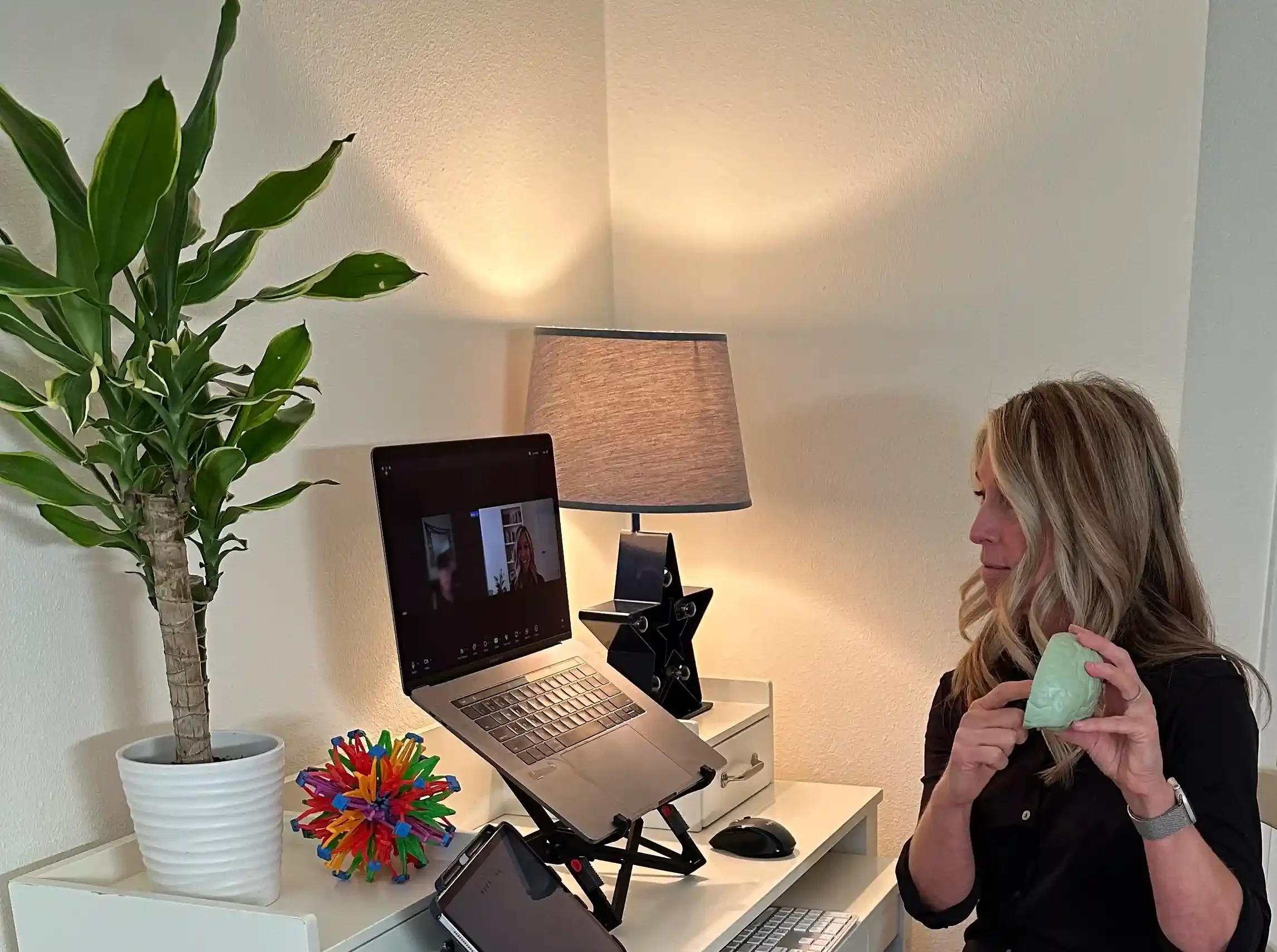
Living with chronic pain can make you feel like your body is working against you.
My goal is to help you rebuild a sense of safety in your body.
As both a Registered Nurse and therapist, I take a whole-person, mind-body approach, understanding how closely pain, stress, emotions, and physical health are connected. You can learn more about my background and how I work on my About page.
In addition to Pain Reprocessing Therapy (PRT), we may incorporate CBT for chronic pain, ACT, mindfulness, and gentle somatic tools.
We move at your pace — never forcing or overwhelming your system.
Over time, many clients notice less pain, better sleep, more energy, and a greater sense of ease.
Ready to Begin Healing from Chronic Pain?
You don’t have to navigate chronic pain alone. Relief is possible — and the right support can make a meaningful difference. You don't need to push through or prove anything.
I offer in-person sessions in downtown Walnut Creek, as well as virtual therapy throughout California.
If your symptoms feel more connected to stress or other health concerns, you might find it helpful to explore my Stress & Health Therapy page.
Frequently Asked Questions
-
Yes. Research shows that the brain and nervous system play an important role in how pain is experienced. When pain becomes chronic, the nervous system can stay stuck in protection mode, continuing to send pain signals even after the body has healed. Therapy helps break this cycle by helping your body feel safer and teaching your brain to respond differently — which often leads to meaningful relief.
-
Yes. Your pain is real. Chronic pain is not imagined or made up. What we now understand is that the brain and body are deeply connected. Stress, emotions, and the nervous system all influence how pain is felt — which also means there are more ways to support healing.
-
PRT is a structured, evidence-based therapy developed specifically to treat chronic pain rooted in the nervous system. In sessions, we work on noticing pain sensations differently — with curiosity instead of fear — which helps interrupt the brain's alarm response over time. It's typically used alongside other tools such as CBT, ACT, or somatic work, depending on what fits you best.
-
Sessions are collaborative and practical, paced in a way that feels comfortable for you. We combine education, simple tools, and supportive guidance to help you reconnect with your body in a way that feels confident and at ease. You set the pace, and we work together toward steady, sustainable change over time.
-
I offer in-person therapy in Walnut Creek as well as virtual sessions throughout California. Many clients find virtual therapy just as effective and appreciate the comfort and flexibility of meeting from home.