Stress Therapy in Walnut Creek
Cari Browning, RN, LCSW
When stress has you running on empty, you don’t have to keep pushing through alone. Therapy can help you feel calmer, restore your energy, and find relief from stress-related symptoms.
Stress Therapy for When You’re Running on Empty
You’ve been showing up for everyone and everything: work, family, health, the never-ending to-do list. And you keep going, even when you’re tired in a way sleep doesn’t seem to fix. Maybe the stress has started to show up in restless nights, ongoing pain or physical symptoms, or a shorter fuse than you’d like.
Nothing is wrong with you. Your mind and body have been working overtime to keep up, and they’re asking for a break.
As both a therapist and a Registered Nurse, I understand how deeply stress can affect your emotional and physical health. Together, we’ll go at your pace and use proven strategies to calm your nervous system, restore your energy, and help you feel more resilient and in control.
Stress Can Affect More Than
How You Feel
Stress affects your whole body, not just your mind. It can show up in your energy, your health, and your relationships.
You might notice:
Feeling constantly “on” or depleted
Low energy, burnout, or feeling worn out from pushing through.Sleep difficulties
Racing thoughts, trouble falling or staying asleep, or waking up feeling unrested.Changes in mood and emotions
Irritability, anxiety, sadness, overwhelm, or feeling emotionally drained.Stress in the body
Headaches, muscle tension, a racing heart, digestive issues, or pain that won’t fully settle.Tension or disconnection in relationships
Feeling disconnected, frustrated, misunderstood, or more alone than you’d like.Mental overload
Difficulty concentrating, feeling stuck, or feeling less effective at work or school.
If this sounds familiar, it’s not a sign of weakness. It’s often a sign you’ve been carrying too much for too long.
Learn how to work with stress, rather than having it work against you.
How Stress Therapy in Walnut Creek Can Support Your Health
Therapy is collaborative, and it’s built around your life. We’ll look at what’s happening for you right now and work on skills and changes that make day-to-day life feel more manageable.
We’ll focus on:
Understanding how stress is affecting your body, emotions, and relationships
Noticing patterns that keep you stuck or worn down
Learning practical tools to settle your nervous system and ease overwhelm
Practicing mindfulness skills that sharpen focus and support your well-being
Handling anxiety, pressure, and conflict with more clarity and choice
Strengthening communication and connection in your relationships
Sleeping better and building routines that restore your energy
Easing tension, fatigue, or pain when stress shows up physically
Everything is tailored to you: your goals, your timing, and what feels realistic in your life.
My Approach
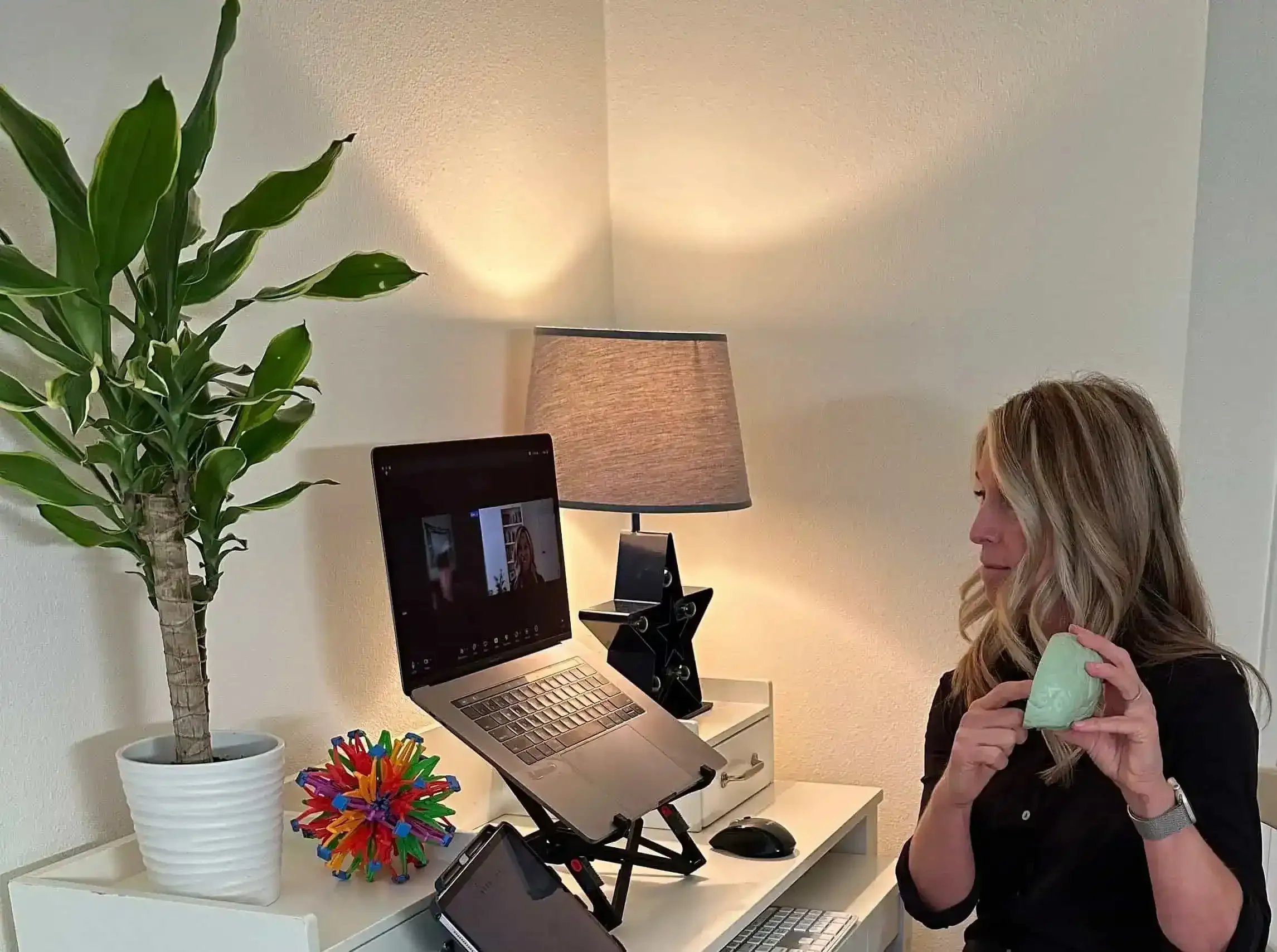
I’m trained in both nursing and therapy and view stress through a mind-body lens. We’ll explore your thoughts, feelings, and behaviors, and how they connect to your physical health, sleep, and daily routines.
Together, we’ll blend science-backed therapies with practical mind-body tools to help you feel equipped for life’s challenges, so stress feels more manageable and you feel better, physically and emotionally.
My approach draws from DBT, Pain Reprocessing Therapy (PRT), ACT, EAET, EMDR, compassion-focused methods, and mindfulness.
Find Relief and Feel More Like Yourself Again
With the right support, your mind and body can find their way back to rest, energy, and ease. If you’re curious whether therapy could help, a free consultation is a low-pressure first step to ask questions and see if we’re a good fit.
I offer in-person sessions in downtown Walnut Creek and virtual therapy throughout California.
Questions?
FAQs
-
Stress is your body’s natural response to pressure, change, or a sense of threat. It can come from work demands, relationship strain, health concerns, or major life transitions, and often from several at once.
In small amounts, stress can help you stay focused and take action. But when it becomes constant, it can wear on both your emotional well-being and your physical health.
You might notice irritability, fatigue, muscle tension, digestive issues, poor sleep, or feeling “on edge” much of the time. If that sounds familiar, you’re not alone, and there are effective ways to feel better.
-
Not always. Stress and anxiety are closely connected, but they’re not the same thing. Stress usually comes from something happening around you, like a deadline or a conflict, while anxiety can linger even when there’s no clear cause.
That said, ongoing stress can raise the risk of anxiety, especially when your nervous system has been under pressure for a long time. Learning tools to calm your body can help keep stress from turning into longer-term anxiety. And if anxiety has already crept in, therapy can help with that too.
-
Long-term stress affects more than your mood. It can touch your whole body.
When your system stays in “survival mode,” you may notice:
Poor sleep, low energy, and trouble concentrating
Muscle tension, headaches, or worsening pain
Digestive problems
Worsening anxiety, depression, or burnout
Flare-ups of existing health conditions
Over time, stress can make it harder for your body to rest, repair, and heal. The encouraging part is that your nervous system can learn to feel safer again. With the right support, your body can find its way back to a calmer, more balanced state.
-
Yes, in the right amount. Short-term stress can sharpen your focus, boost your motivation, and give you energy when you need it, like before a big presentation or a tight deadline.
Problems arise when stress becomes constant and there’s no chance to recover. Therapy can help you build skills so stress feels more manageable and less draining, and so you can bounce back more easily when the pressure passes.
-
Because I’m both a Registered Nurse and a therapist, I look at what’s happening in your body as well as your mind. We’ll explore your emotions alongside sleep, energy, movement, nutrition, relationships, and daily routines, since they all shape how you handle stress.
I also teach nervous system-informed tools to help your body feel more at ease. If stress is showing up as physical symptoms or persistent pain, I draw on mind-body approaches like Pain Reprocessing Therapy (PRT).
My goal is simple: to help life feel more manageable and support lasting well-being, mentally and physically.
-
Living with chronic illness or persistent pain is exhausting, and stress, fear, and uncertainty can add another layer of difficulty. Therapy can help you feel less overwhelmed, build coping skills, and make more room for rest, support, and healing.
If you’re living with persistent pain or other symptoms that may be influenced by how your brain and nervous system process signals, I also draw from Pain Reprocessing Therapy (PRT). PRT helps retrain the brain to respond to sensations with less fear and threat, which research suggests can reduce pain over time. It’s meant to work alongside your medical care, not replace it.
Our work always moves at your pace and is tailored to you.